
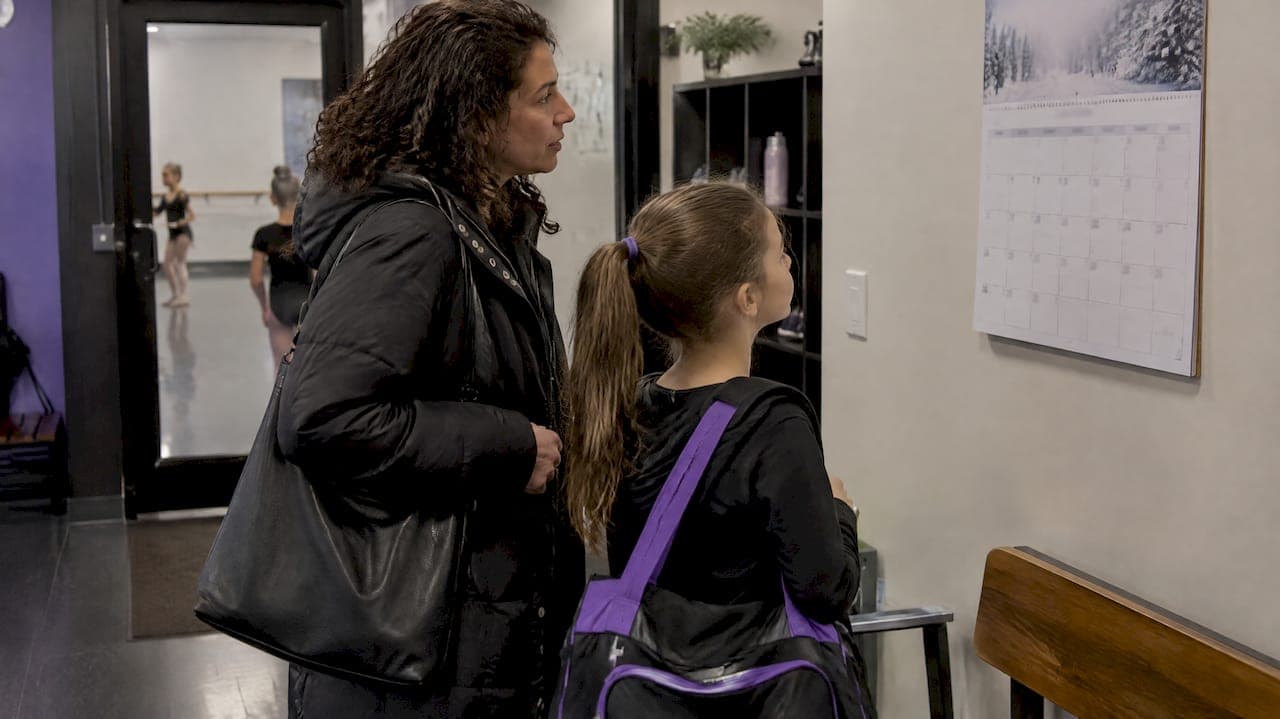
Most dance studios close for major holidays like Thanksgiving and Christmas, for multi-day school breaks such as winter and spring break, and sometimes for severe weather or emergencies. The exact dates vary by studio, so the official closure calendar, email list, and social media pages are the sources to trust. If you need dates right now, check your studio's closure page or call the front desk.
TL;DR:
- Winter break may last two weeks, while spring break usually spans one week and may offer optional intensives or scheduled replacement classes.
- Thanksgiving closures may run from Wednesday through the weekend, although competition and company teams can still rehearse while regular classes pause.
- Weather cancellations can arrive just hours before class, so monitor studio updates and ask whether it follows school closures or makes its own decision.
- Planned breaks are usually built into flat monthly or seasonal tuition, while canceled classes more often earn replacement classes or credits than cash refunds.
- Make up credits typically expire 30 to 60 days after a missed class; extended or emergency closures may instead bring prorated tuition or refunds.
Table of Contents
- Common Holidays That Affect Dance Class Schedules
- How Studios Handle Multi-Day Breaks Like Winter and Spring Break
- What Happens When Weather Forces a Closure
- Billing and Make-Up Policies When Classes Get Canceled
- Staying on Top of Studio Notifications
- Smarter Ways Studios Publish and Automate Closure Calendars
- Why a Clear Closure Calendar Matters More Than It Seems
- Making Closure Communication Easier for Studios
- FAQ
- Sources
Common Holidays That Affect Dance Class Schedules
Dance studios build their yearly calendars around a familiar set of holidays, though how each one is observed can differ. A full closure means no classes run at all, while a partial closure might mean shortened hours or a themed class instead of a regular lesson.
The holidays that show up on most studio calendars include:
- Labor Day, typically a full-day closure marking the unofficial end of summer session
- Thanksgiving week, often closed for several days rather than just the holiday itself
- Christmas and winter break, usually the longest closure of the year
- New Year's Day, almost always closed
- Martin Luther King Jr. Day and Presidents Day, frequently full closures tied to the school calendar
- Spring break, a week-long pause that lines up with local school districts
- Memorial Day and Independence Day (July 4), typically single-day closures
Some studios swap a regular class for a special event instead of closing outright. Halloween evening classes sometimes turn into costume parties, and studios approaching a recital may cancel regular rehearsals in favor of extra stage time. Exact dates shift every year, and winter and spring breaks are almost always listed as date ranges rather than single days, so it pays to check the current year's calendar rather than assume it matches last year's.
How Studios Handle Multi-Day Breaks Like Winter and Spring Break
Multi-day closures take more planning than a single holiday, and studios tend to publish these windows well ahead of time so families can plan trips and other activities around them.
- Winter break is commonly listed as a range from mid-December through early January; some studios close for a full two weeks, others for a shorter stretch.
- Spring break usually covers one week, and many studios use that week for optional intensives, mini-camps, or scheduled make-up classes instead of leaving the schedule empty.
- Thanksgiving closures often run from Wednesday through the weekend, though some competition and company teams hold rehearsals during that stretch even while regular classes pause.
Checking the specific dates each season matters because these windows rarely land on the same calendar days two years running.
What Happens When Weather Forces a Closure

Weather closures work differently from planned holidays because the decision often comes together within a day. Some studios simply follow their local school district's closure call, while others make an independent judgment based on road conditions and staff safety. Timing can be tight: a studio might cancel just a couple of hours before class starts, and weather-related closure decisions vary by studio, with some aligning strictly with public schools and others deciding independently.
Because of that short notice, a phone call to the studio is not a reliable way to confirm whether class is happening. Families are generally expected to check posted updates themselves.
A few steps keep you ahead of a last-minute cancellation:
- Monitor the studio's email, website, and social media accounts during storm season.
- Turn on SMS or app notifications if the studio offers them.
- Ask the studio directly whether it follows the local school district or makes its own weather calls.
Pro Tip: Save the studio's closure page to your phone's home screen so checking it becomes a two-second habit before you leave the house.
Billing and Make-Up Policies When Classes Get Canceled
A canceled class does not automatically mean a refund, and most studios are upfront about that if you ask. Tuition is usually structured as a flat monthly or seasonal rate that already accounts for the holidays on the calendar, so billing continues through scheduled breaks in most cases.
- Many studios keep billing steady through planned seasonal closures, treating holidays as already priced into the schedule.
- Make-up classes or credits are the more common response to a cancellation than a cash refund, with make-up windows typically running 30 to 60 days after the missed class.
- Extended or unplanned closures, including weather emergencies, sometimes come with prorated tuition or a short refund window instead of make-up credit, handled through automated refund processing.
The safest move is asking your studio for its written policy before you need it. A policy that only lives in a staff member's memory tends to produce disputes later, while a written one settles the question before it starts.
Staying on Top of Studio Notifications
Missing a closure notice usually comes down to checking the wrong channel, not a lack of communication from the studio. Most studios post updates through a handful of predictable places.
- Studio email remains the primary channel for closure announcements and schedule changes.
- The official closure page on the studio's website is typically the most current and complete source.
- Social media accounts often carry same-day updates, especially for weather calls.
- SMS or app notifications from the studio's management software catch families who do not check email daily.
Whitelisting the studio's email address, turning on app or SMS alerts, and glancing at the calendar before a long weekend or trip all cut down on surprises. If you do miss a notice, contacting the studio with your student's name, class, and the date in question is the fastest way to get a credit or make-up scheduled.
Smarter Ways Studios Publish and Automate Closure Calendars
Studios that treat the closure calendar as a one-time task tend to field the same questions all season. Publishing an annual schedule before the term starts and locking the core holiday dates into the online calendar early cuts down on repeat inquiries.
- Lock in major holiday and break dates in the calendar before registration opens for the season.
- Use scheduled announcement emails and SMS alerts so families get notice automatically instead of waiting on a staff member to remember.
- Automate proration and refund rules so last-minute closures do not turn into one-off negotiations with each family.
- Keep a single, bookmarkable closure page as the canonical source, linked from email signatures and the website footer.
Pro Tip: A short make-up policy template, covering lateness grace periods and credit windows, settles most billing questions before a parent has to ask.
Why a Clear Closure Calendar Matters More Than It Seems
A published calendar looks like a small administrative detail until the phone starts ringing every time a holiday approaches. We have seen that a clear, single source of truth for closures cuts down on repeat questions and the billing disputes that follow a confusing cancellation. Automation and simple, written policies let studio staff spend their time teaching rather than answering the same email five times. One well-maintained closure page, shared consistently, does more for parent trust than any individual phone call ever will.
— StudioFlare Team
Making Closure Communication Easier for Studios
Keeping a holiday calendar accurate and getting it in front of every family takes more than a printed schedule taped to the front desk. We offer calendar and messaging tools so studios can publish one closure page, push updates automatically, and handle the billing side without manual spreadsheet work.

Features that help with closures specifically include:
- A published calendar that syncs across staff accounts so closure dates stay consistent everywhere they appear
- Scheduled email and SMS announcements that go out automatically ahead of a break
- Automated proration and refund handling for unexpected or extended closures
- Built-in livestreaming so a canceled in-studio class can still run virtually when it makes sense
Studios on our Starter plan start at $29 a month, and our Pro plan runs $49 a month, both with a per-active-student fee of $1 a month, no setup fee, and no contract. If a clearer closure calendar and fewer billing disputes sound useful, you can see how the features fit your studio on our dashboard overview.
FAQ
Do dance studios charge tuition during holiday closures?
Most studios continue regular billing through planned holiday and seasonal breaks since the closures are already built into the yearly tuition rate. Make-ups or credits are more common than refunds for these scheduled closures, while extended or unplanned closures sometimes come with prorated billing instead.
How far in advance do studios publish their closure calendar?
Studios typically publish their annual closure calendar before the season or term begins, often alongside registration, so families can plan around major holidays and school breaks. Exact timing varies by studio, so checking the current calendar each year is the most reliable approach.
What should I do if my studio cancels class for weather?
Check the studio's email, website, and social media first, since weather closures are often announced through those channels rather than individual phone calls. Some studios follow their local school district's closure decision while others make an independent call, so it helps to ask which approach your studio uses.
How long do I have to use a make-up class credit?
Make-up windows commonly run 30 to 60 days from the missed class, though the exact window depends on the studio's written policy. Asking for that policy in writing before you need it avoids confusion later.
What if I missed a closure notification?
Contact the studio directly with your student's name, class, and the date of the missed session to ask about a credit or make-up slot. Enabling SMS or app notifications and whitelisting the studio's email address going forward helps prevent missing the next one.